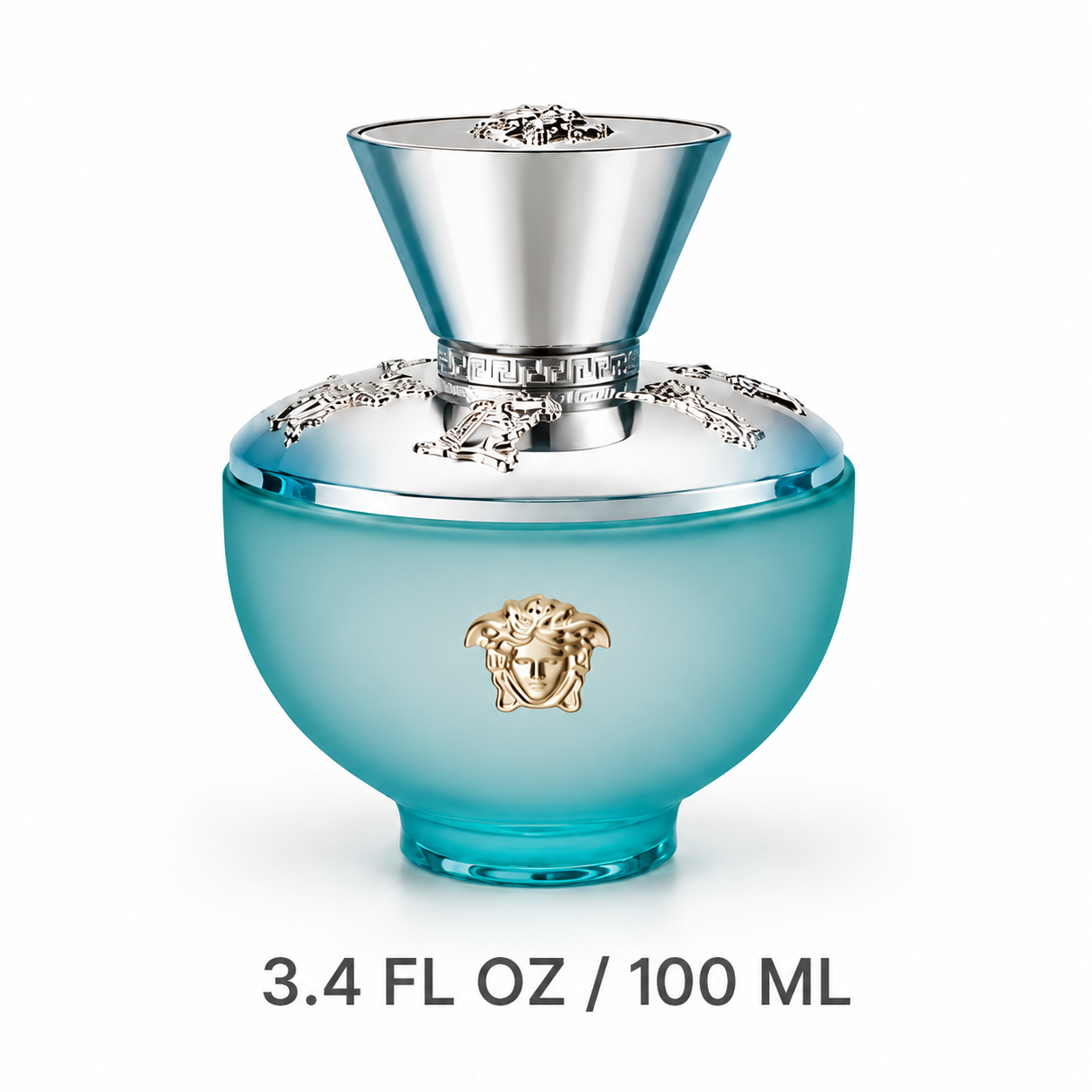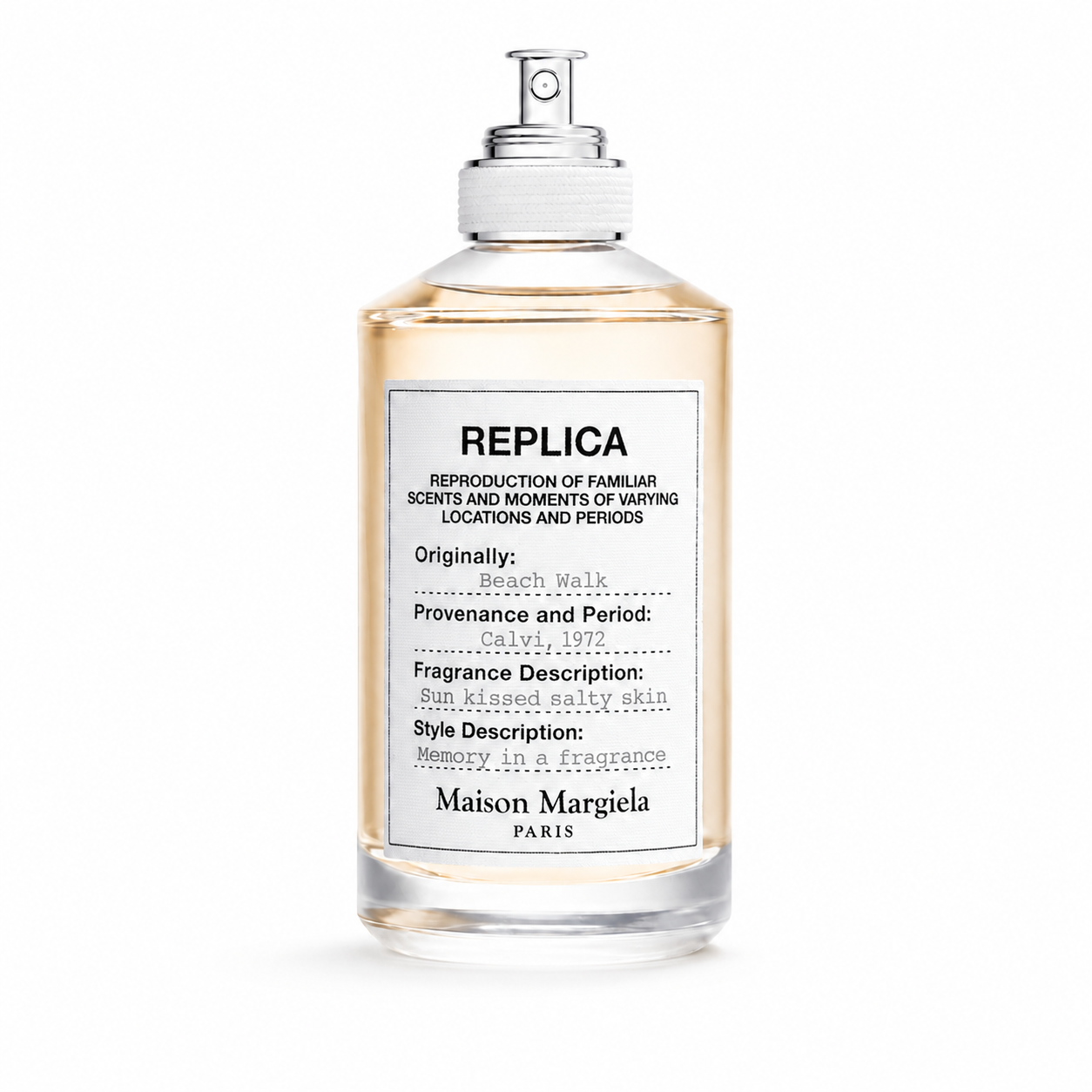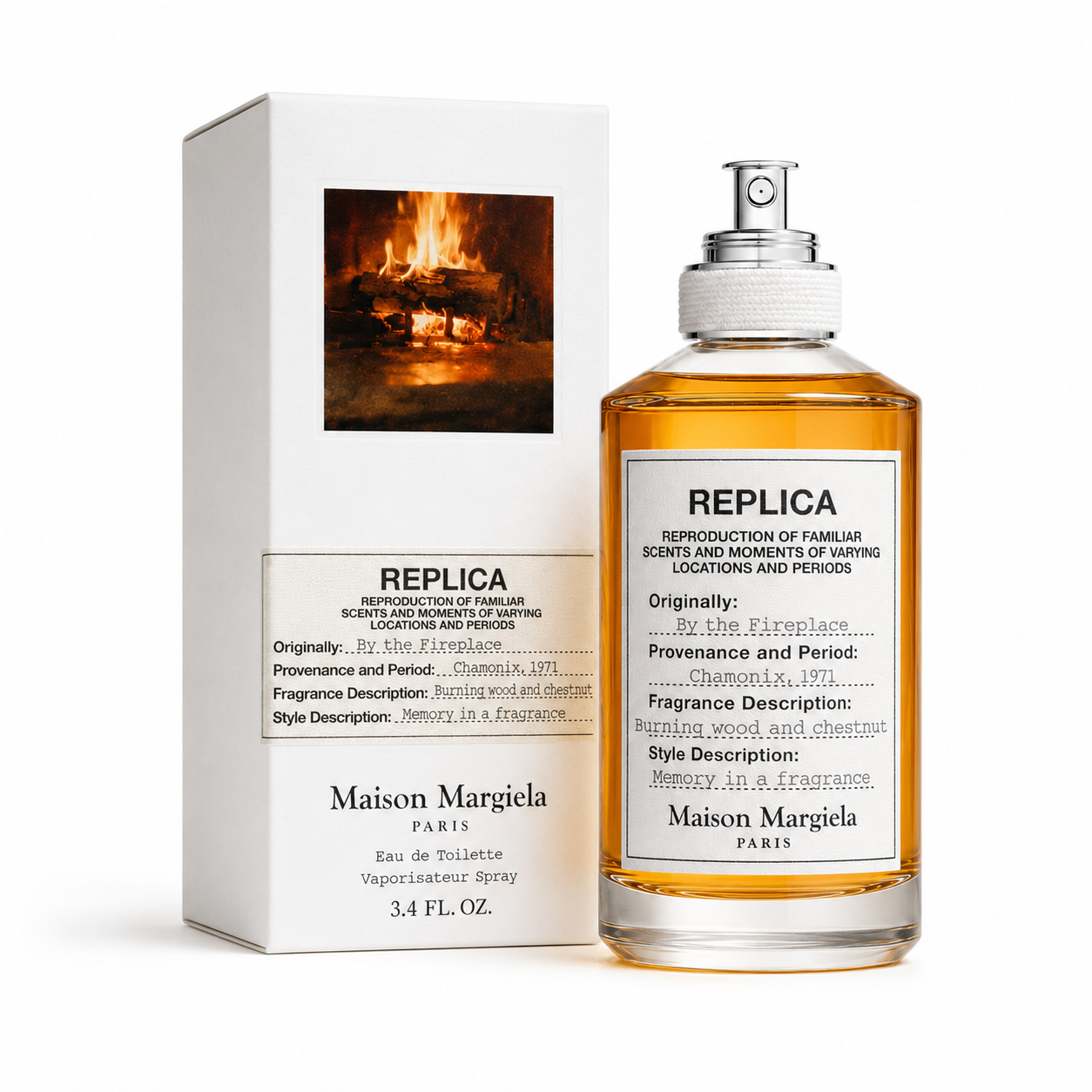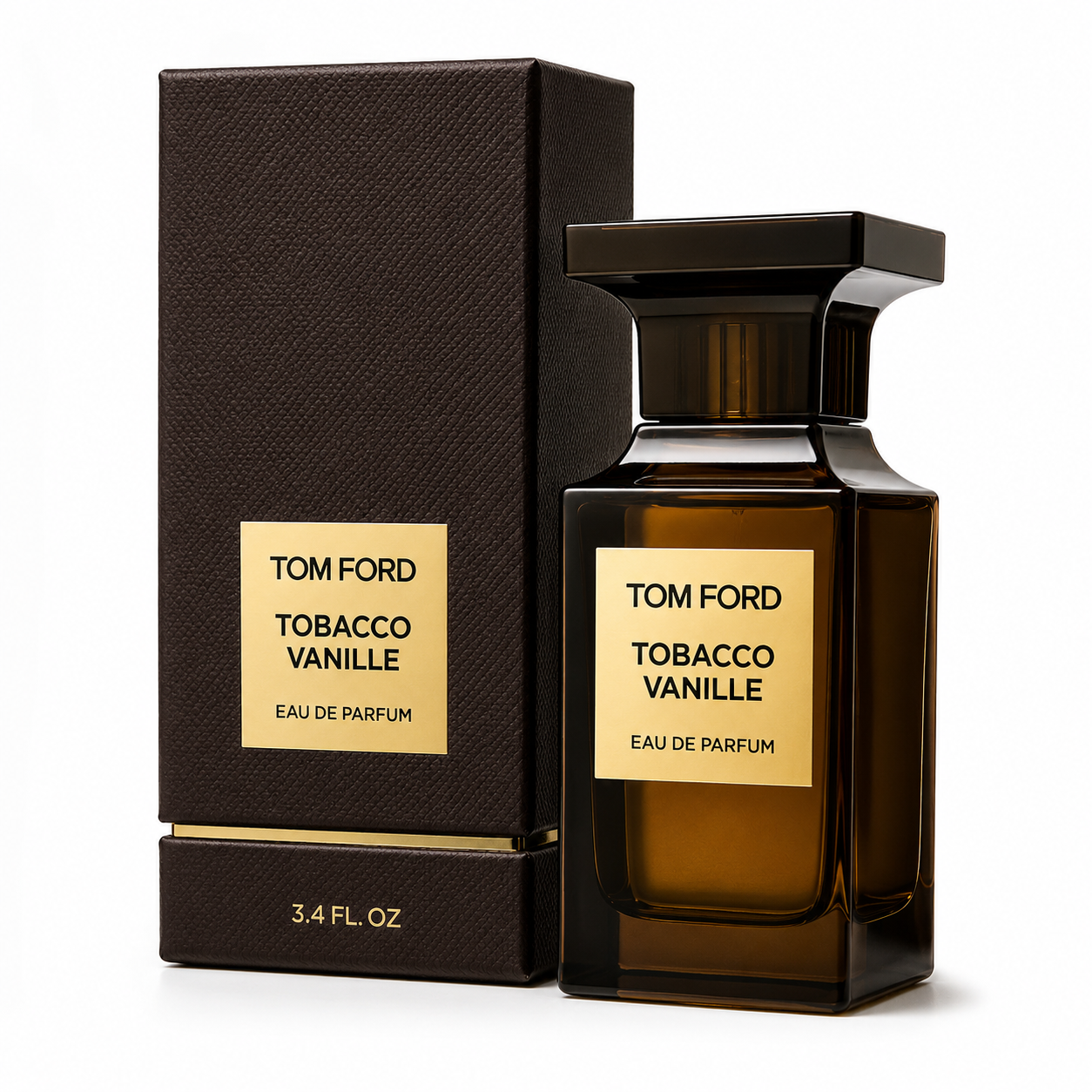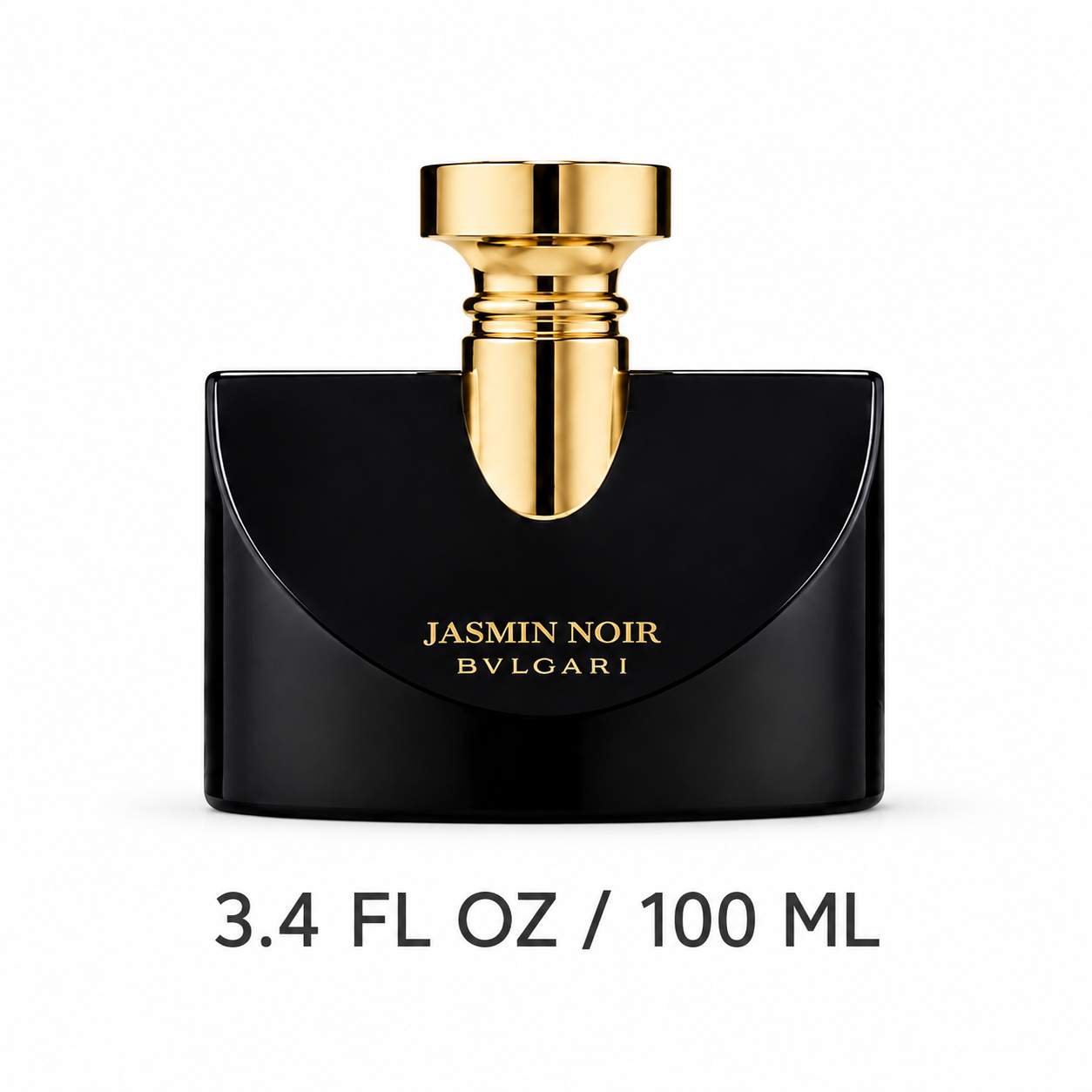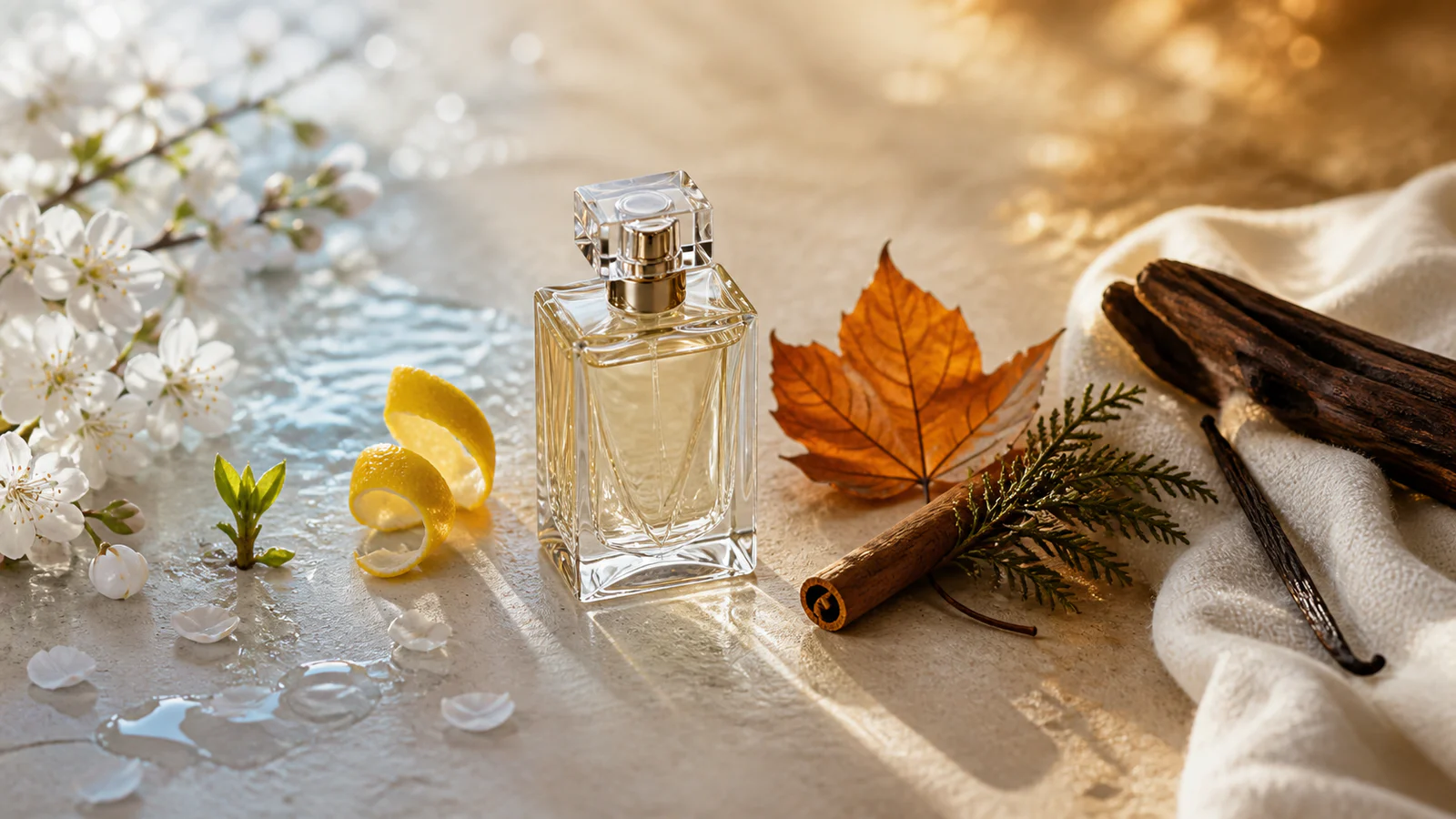
Seasonal fragrance advice is useful when it explains comfort, not when it creates four rigid boxes. Heat can make a fragrance feel more noticeable, while cold weather and heavier clothing can change how it projects. A flexible wardrobe uses scent family and application together.
Spring: look for lift and transition
Spring weather can shift from cool mornings to warm afternoons. Green notes, citrus, peony, freesia, rose, tea and soft woods often fit that changing atmosphere.
A floral fragrance with a clean musk or light woody base can move easily between work, weekends and outdoor plans. Apply lightly at first because a cool morning can become a much warmer day.
- Green and fresh floral
- Citrus and tea
- Peony, rose or freesia
- Soft musk and light woods
Summer: balance freshness with the setting
Citrus, aquatic, aromatic and tropical-fruit profiles can feel lively in warm weather. Heat may also make fragrance project more strongly, so a fresh scent does not need heavy application to be noticeable.
Consider humidity, air conditioning and close shared spaces. A beach trip, outdoor dinner and office commute create different needs even on the same day. Keep bottles out of hot cars and direct sunlight.
- Citrus and marine effects
- Green aromatics
- Airy florals
- Light musk and transparent woods
Fall: add texture with woods, fruit and spice
As temperatures cool, woody, fruity, amber and softly spicy fragrances can feel comfortable without becoming too heavy. Fig, plum, apple, tobacco, cardamom, cedar and sandalwood are common directions rather than requirements.
Fall is a useful bridge season for layering your wardrobe—not necessarily your products. Rotate between a fresh daytime fragrance and a warmer evening fragrance instead of mixing formulas unless the manufacturer supports it.
Winter: richer profiles can feel more at home
Cold weather often suits amber, vanilla, tonka, cocoa, coffee, tobacco, resin, oud and deeper florals. Heavy clothing and outdoor cold can make a scent feel quieter, while heated indoor rooms can make the same application feel much stronger.
Choose based on where most of the wear will happen. A rich winter fragrance for an outdoor event may need a lighter hand at a crowded indoor dinner.
- Amber and vanilla
- Tobacco and spice
- Oud and dark woods
- Gourmand notes
- Rich rose, jasmine or white florals
Build a small wardrobe instead of four rules
You do not need a different bottle for every month. Two or three directions can cover most situations: something fresh and flexible, something balanced for daily wear, and something warmer or more distinctive for evenings.
A fragrance you love can often cross seasons through application. Use less in heat, reassess before reapplying and consider suitable clothing application only after checking for staining and following product directions.
Let climate and comfort override the calendar
September in Florida does not feel like September in Minnesota. Shop for the temperature, humidity and indoor environment you actually experience, not a generic seasonal chart.
Follow the label and stop using a cosmetic if it causes an unexpected reaction. Store every seasonal bottle tightly closed, upright and away from heat and direct light so the rotation itself does not damage the fragrance.