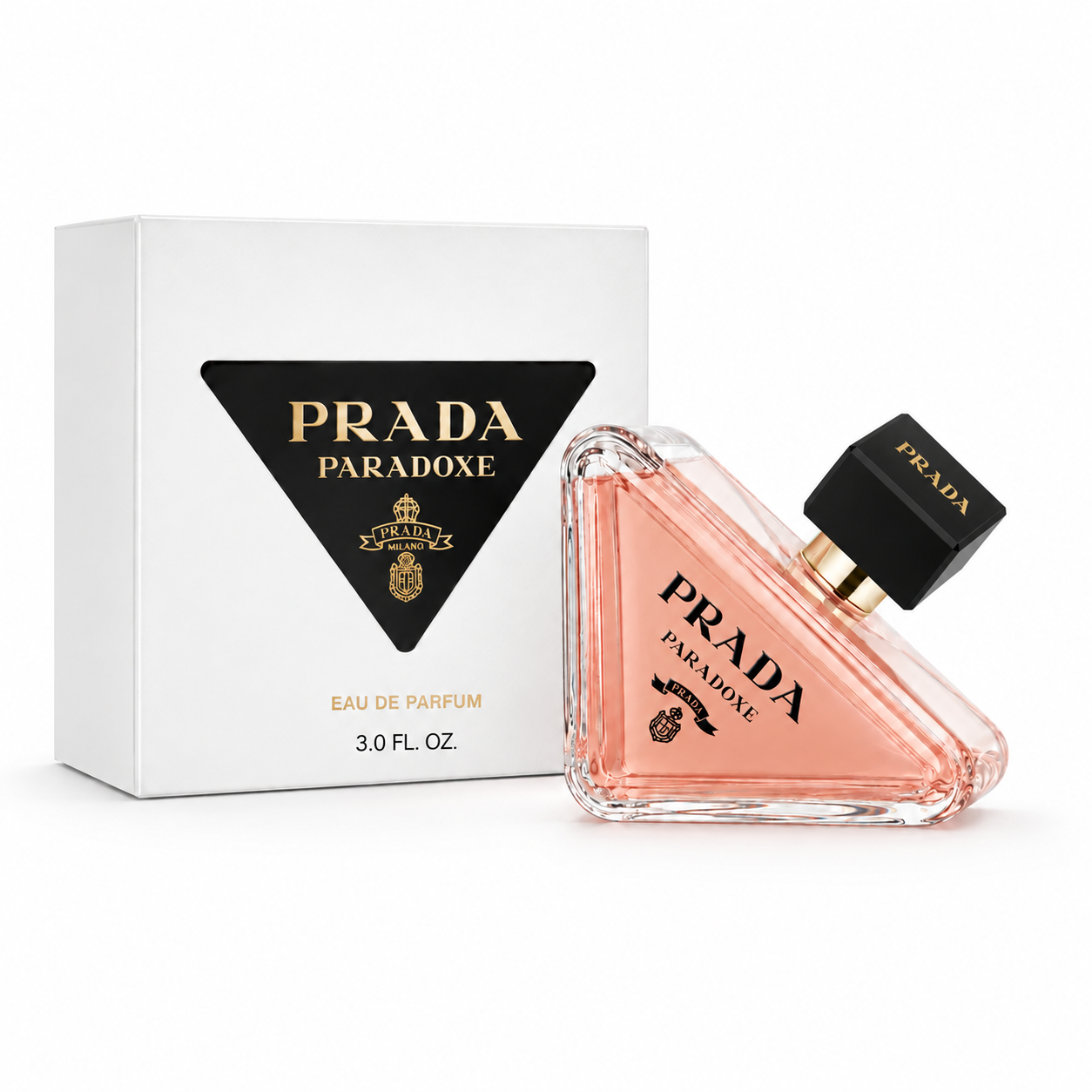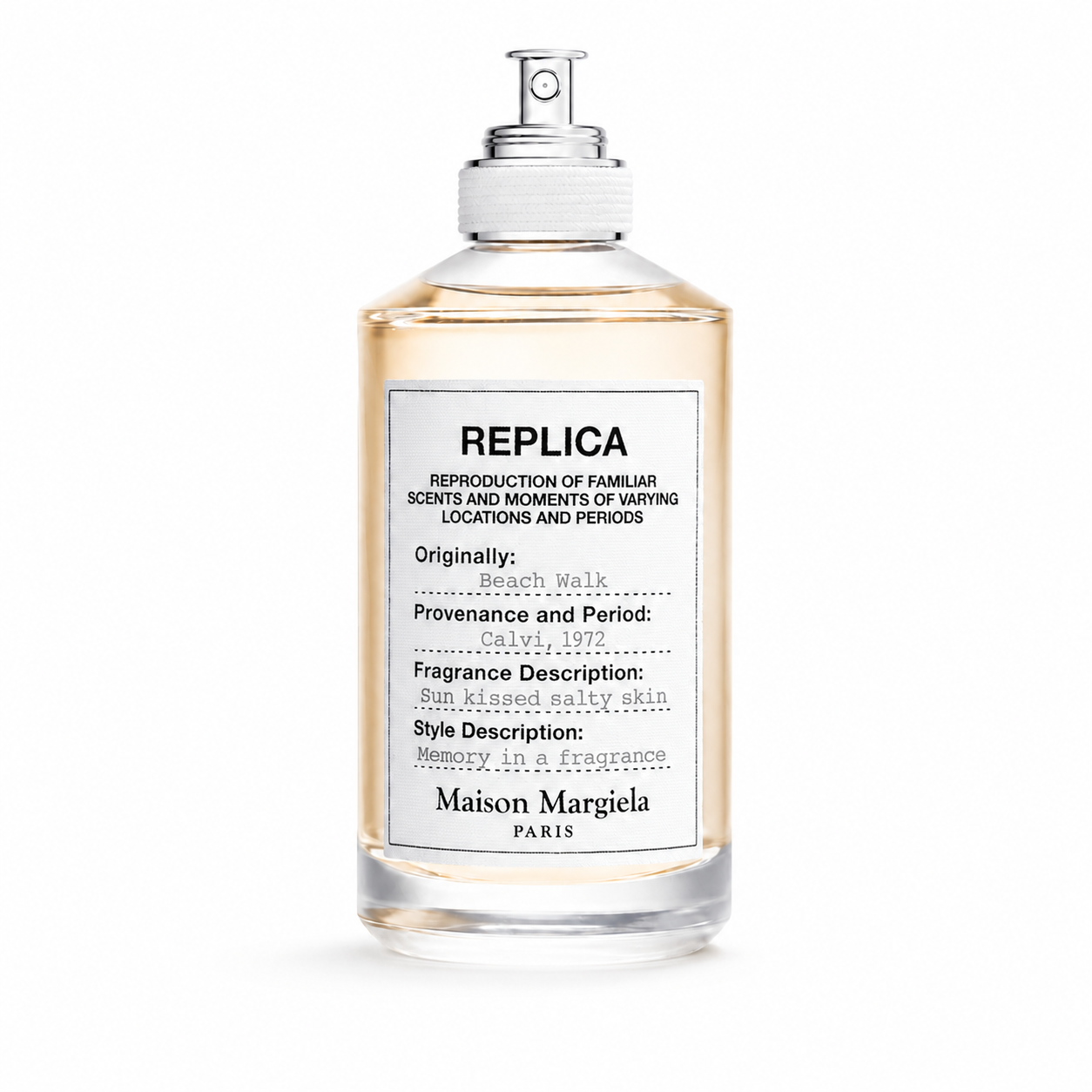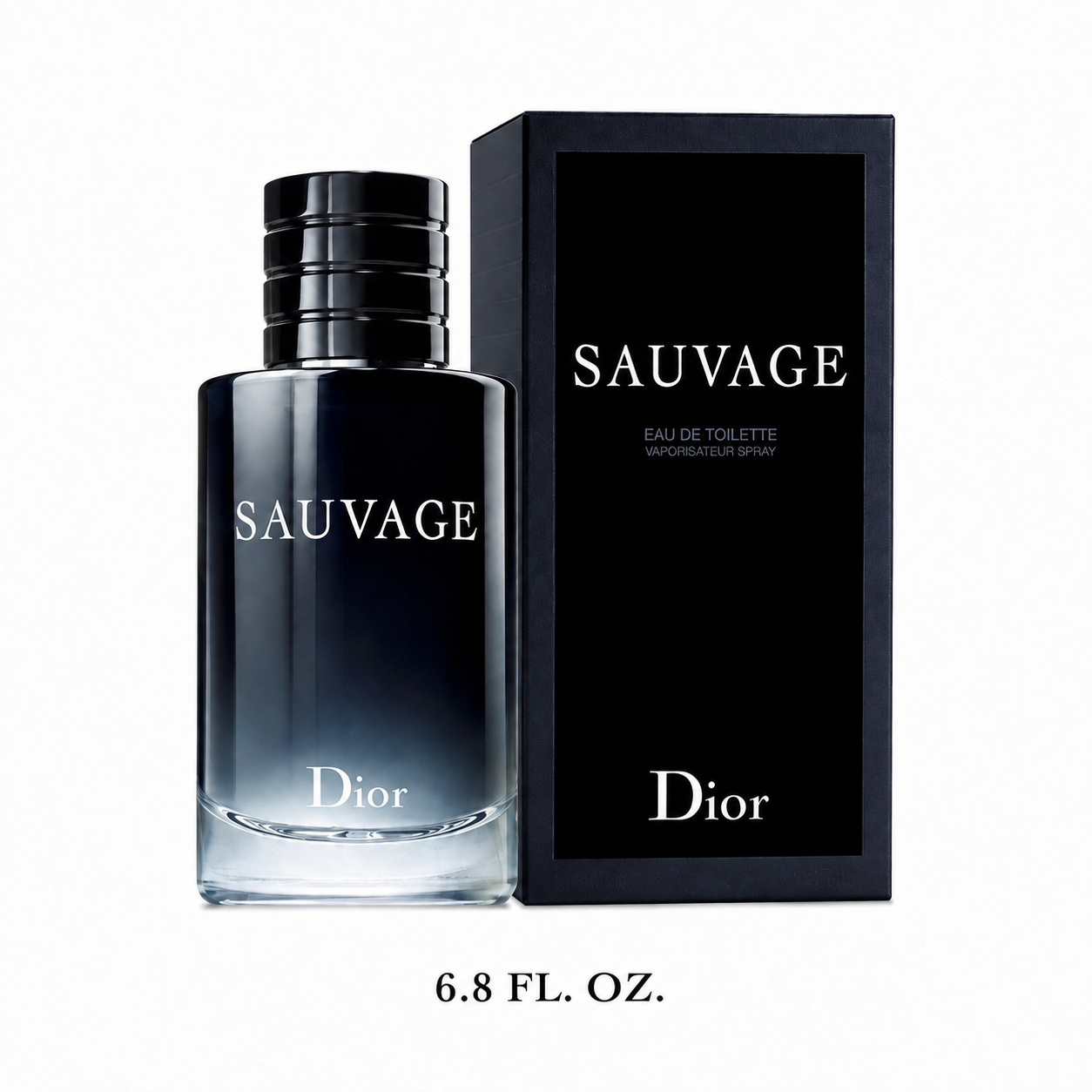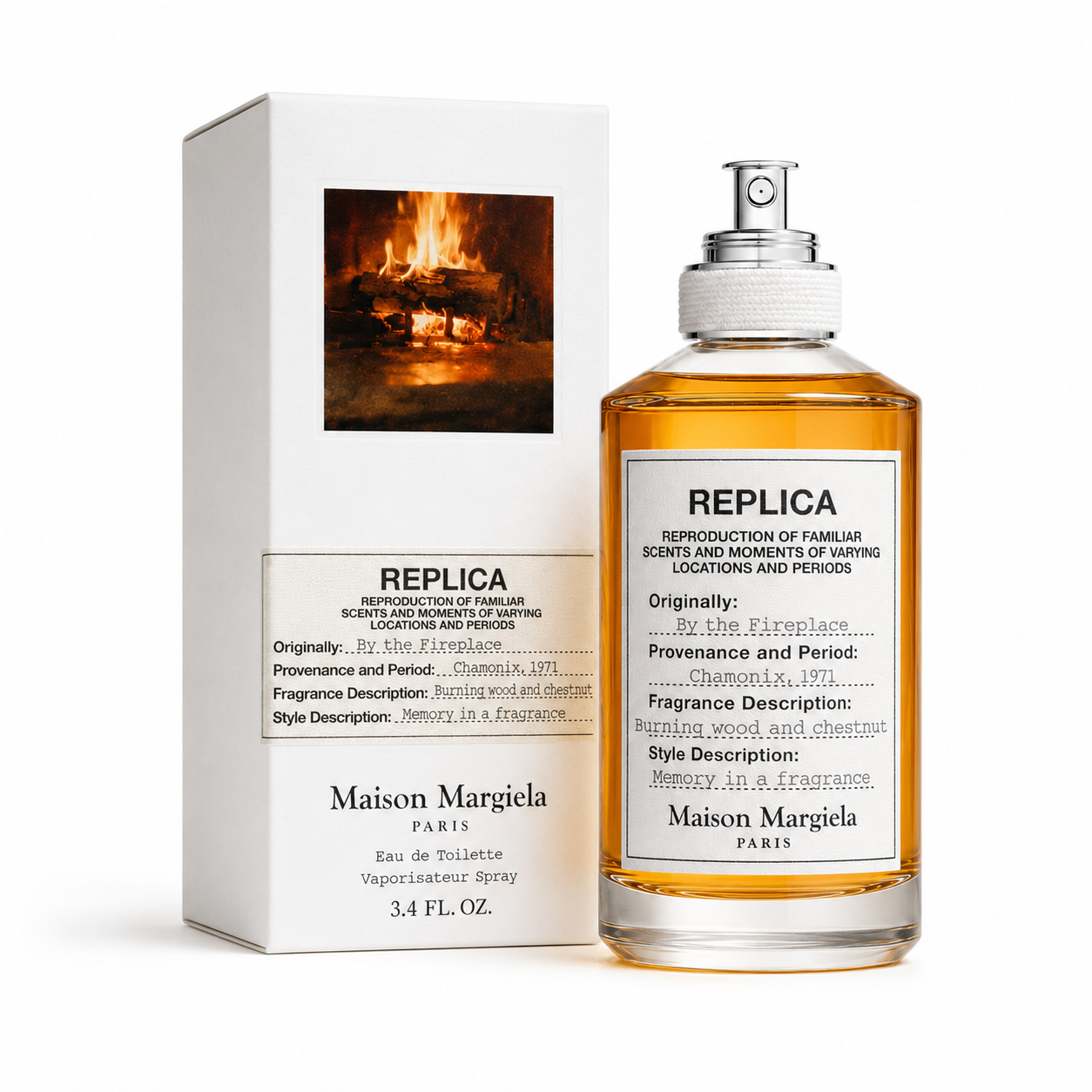
Buying fragrance online removes the first spray, but it does not remove every useful clue. A careful listing can tell you the exact product, scent family, note direction, concentration, size and intended character. The goal is not to predict every detail of the dry-down. It is to narrow the choice until the remaining uncertainty feels reasonable.
Begin with a fragrance you already understand
Write down one or two fragrances, body products or candles you already enjoy. Look for the qualities you notice most: bright citrus, white flowers, clean musk, dry woods, vanilla, amber, fruit or spice.
Use those preferences as a starting point rather than searching for an exact duplicate. A new fragrance can share a family with an old favorite while still offering a different opening, texture or dry-down.
- Name one scent you already enjoy
- Identify its broad fragrance family
- Notice whether it feels fresh, sweet, floral, woody or warm
- Decide whether you want something similar or deliberately different
Read the full note structure—not one attractive note
A listing that mentions vanilla is not automatically a sweet vanilla perfume. Citrus, woods, leather, flowers, musk or spice can change how that note feels. Read the top, heart and base together and look for the repeated direction.
The opening may be bright while the dry-down becomes warm and woody. If the base contains several materials you normally avoid, the appealing top note may not be enough to make the fragrance a comfortable choice.
Use scent families to reduce the catalog
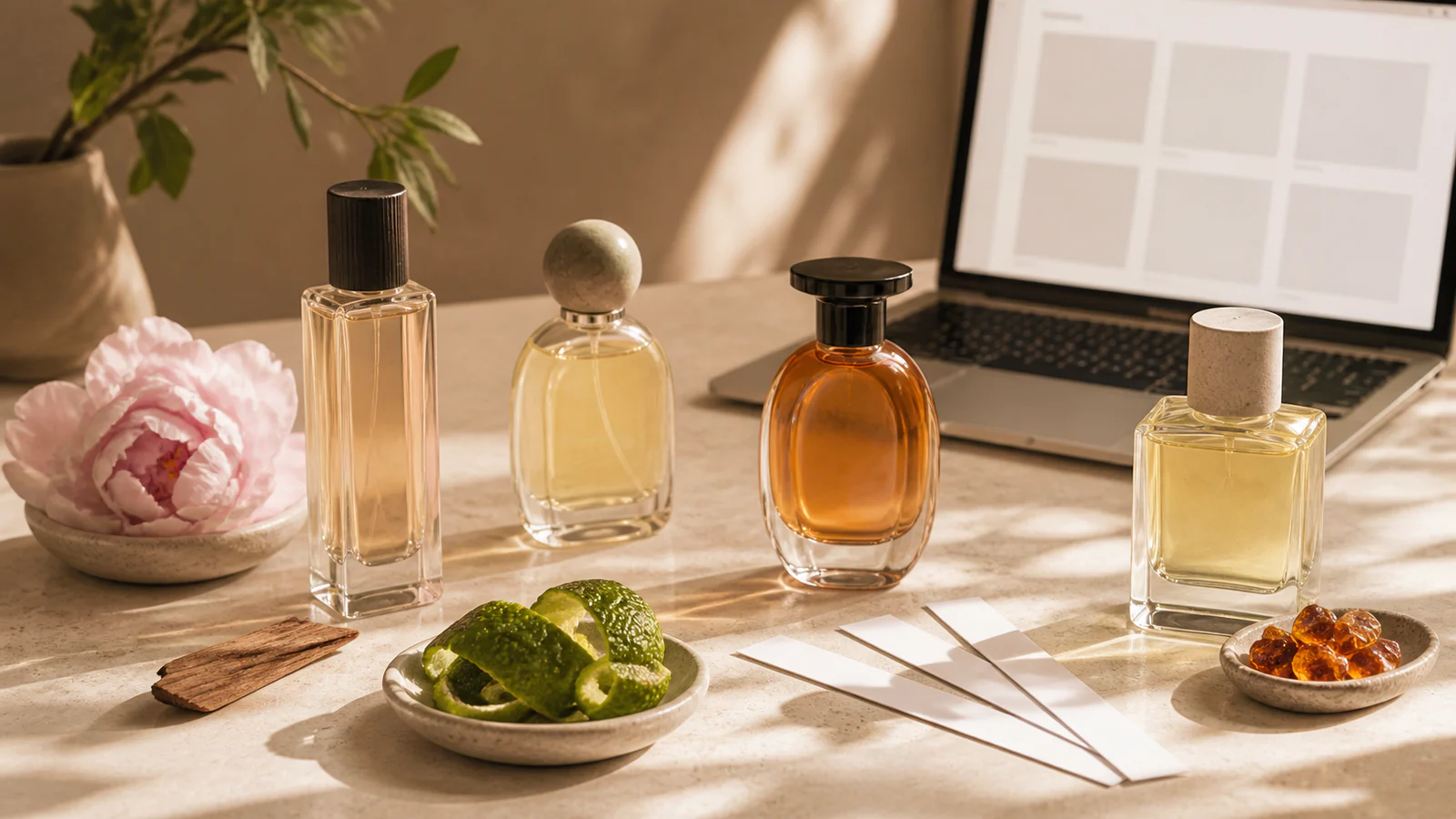
Fragrance families are useful filters. Fresh citrus, aromatic and aquatic profiles often feel bright and easygoing. Floral profiles can range from airy and clean to rich and sweet. Woody scents may feel dry, creamy, smoky or polished. Amber and gourmand profiles often emphasize warmth, spice, vanilla or edible impressions.
Do not treat family names as rigid boxes. Use them to create a manageable shortlist, then compare the exact notes and product description within that group.
- Fresh: citrus, aquatic, green or aromatic
- Floral: rose, jasmine, peony, orange blossom or mixed bouquets
- Woody: cedar, sandalwood, vetiver, patchouli or oud
- Warm and gourmand: amber, vanilla, tonka, cocoa, coffee or caramel
Confirm concentration, size and selected option
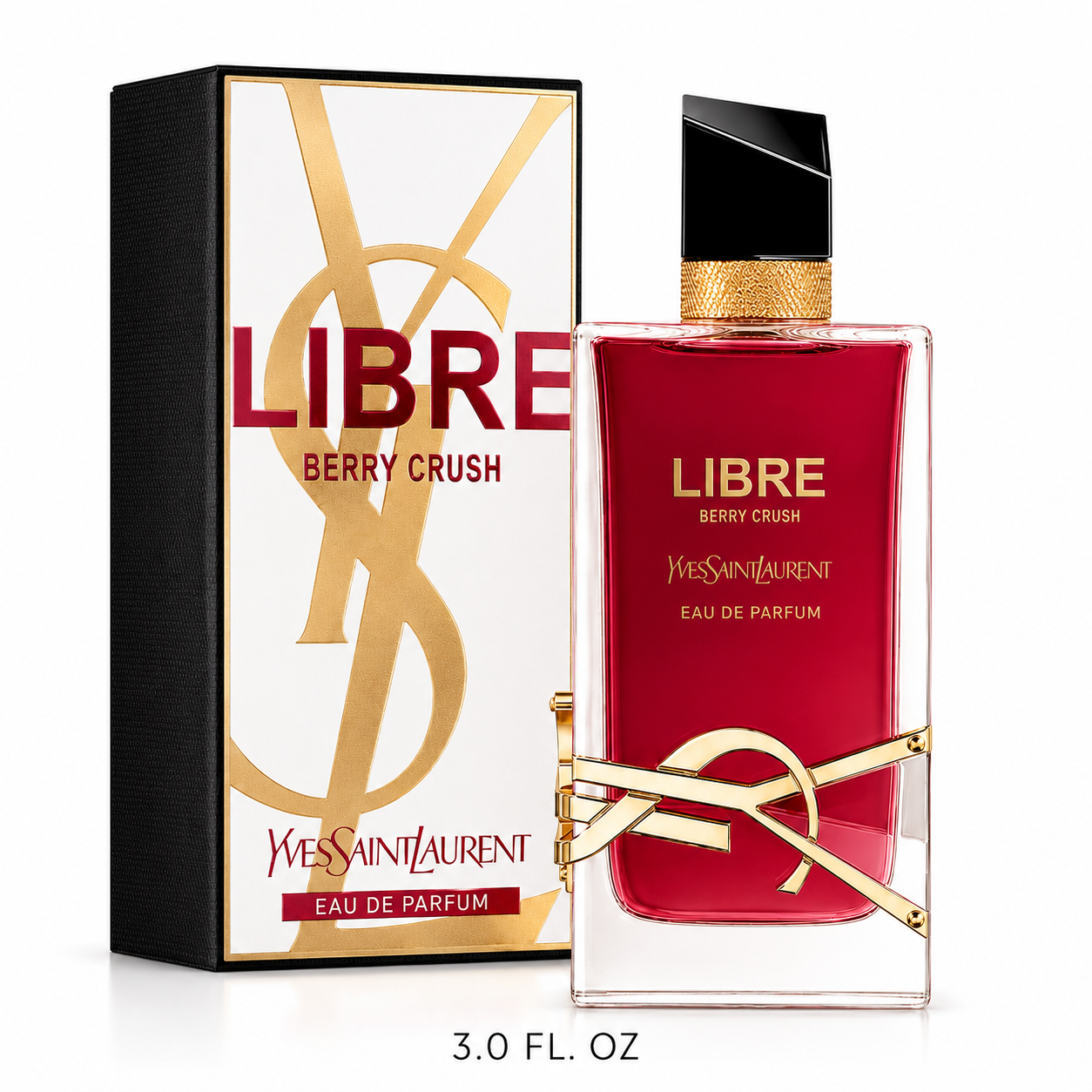
Products with similar names may be offered as parfum, eau de parfum or eau de toilette, and those versions can have different formulas. Confirm the concentration shown for the exact option instead of assuming every bottle under the same name smells identical.
Check the selected bottle size and current price before adding it to the bag. A 1.7 fl oz bottle and a 3.4 fl oz bottle can look similar in a photograph while representing very different quantities and commitments.
Match the fragrance to real situations
Think about where the fragrance will be worn. A softer fresh or musky profile may be easier in an office or close indoor setting, while a richer woody, amber or gourmand profile can suit evenings and cooler weather.
Season descriptions are guidance, not rules. Climate, application and personal comfort matter. If one fragrance needs to work across many situations, favor a balanced profile you can apply lightly rather than the most intense description in the catalog.
- Daily wear or special occasions
- Warm climate or cool climate
- Close indoor spaces or outdoor settings
- Subtle presence or noticeable trail
Check the product record before paying
Confirm the full product name, brand, concentration, size, price, stock status and images. Read the shipping and return terms, especially if the fragrance must remain unopened to qualify for a change-of-mind return.
The U.S. Food and Drug Administration advises consumers to read cosmetic labels, directions and warnings. When the product arrives, compare the package with the selected listing and follow the manufacturer’s instructions before use.