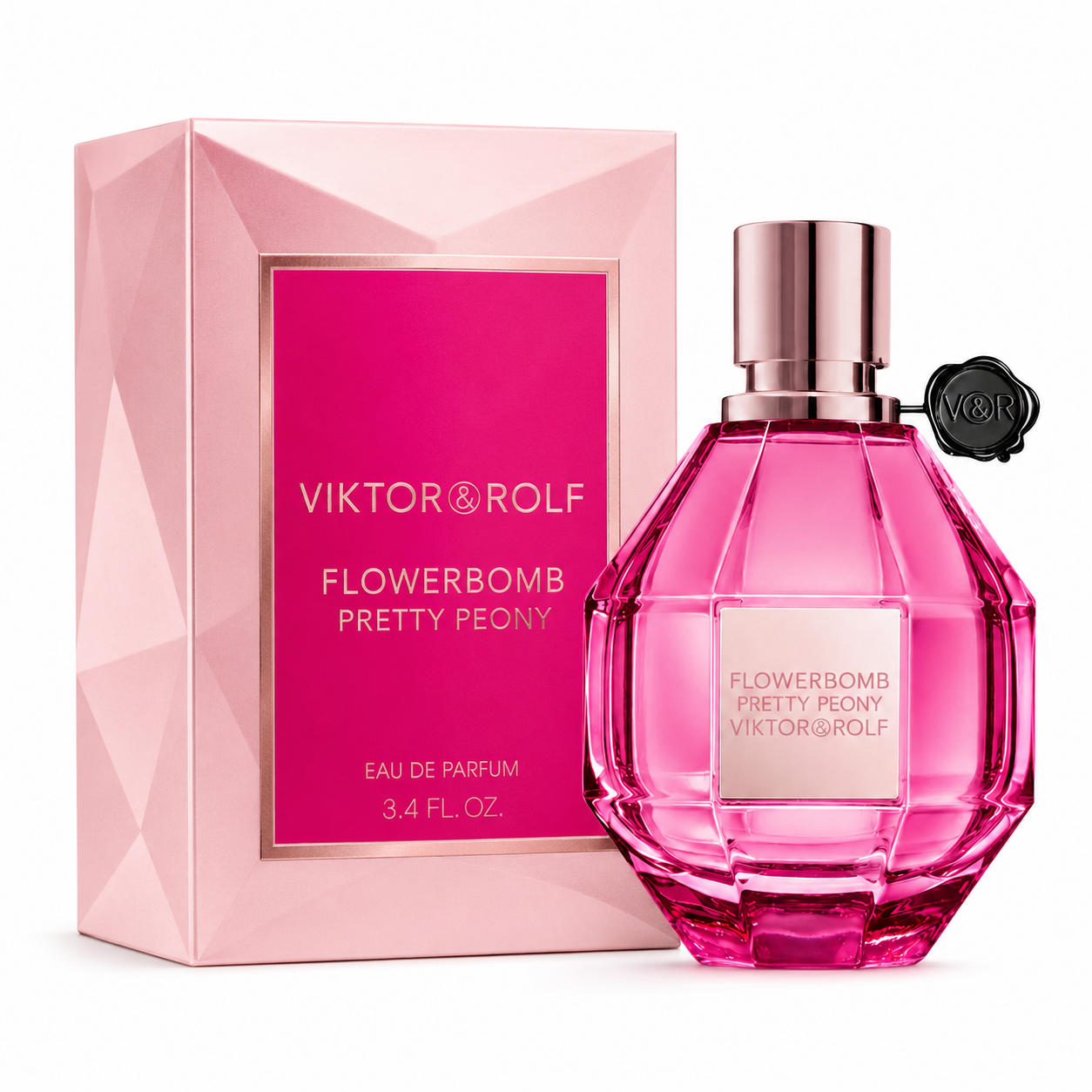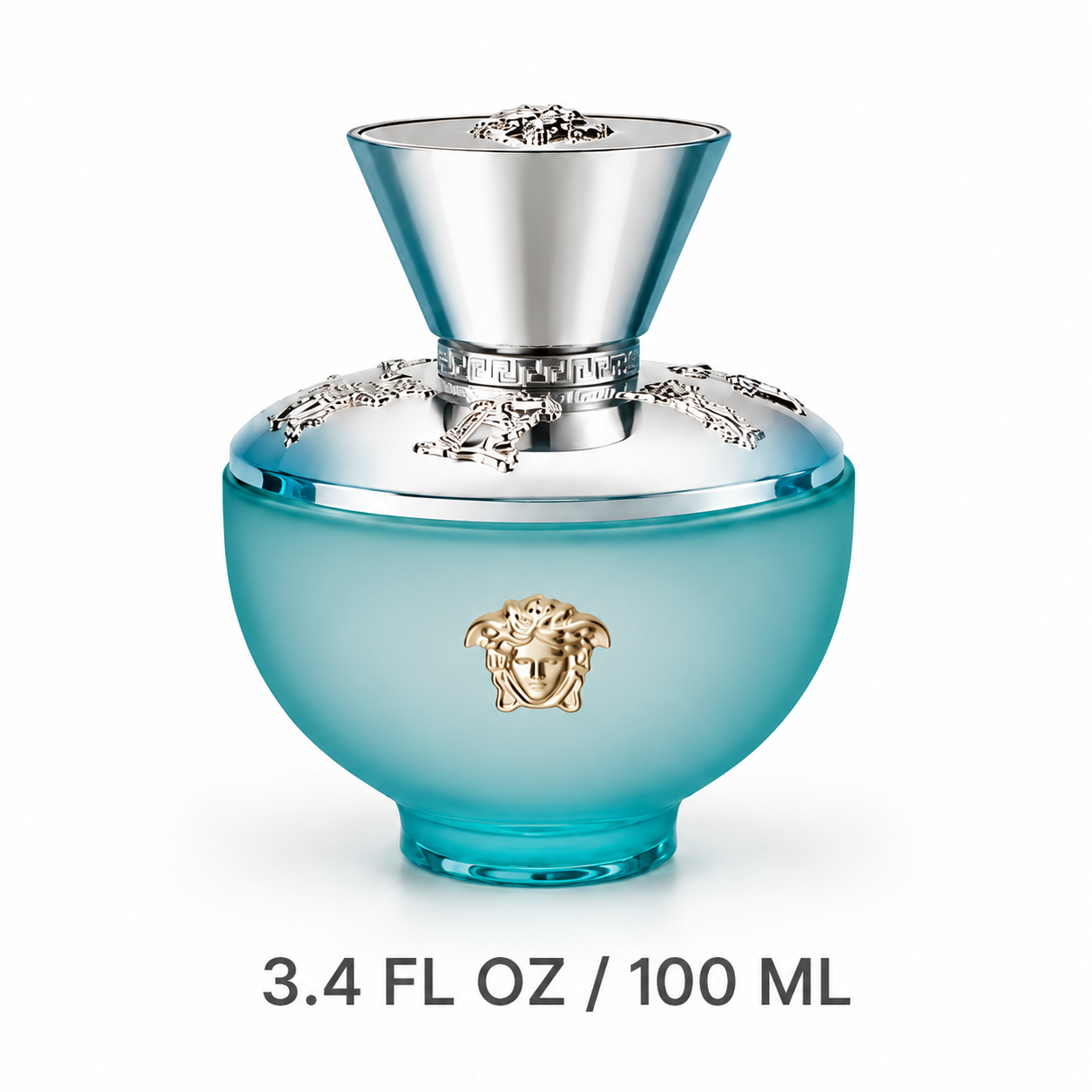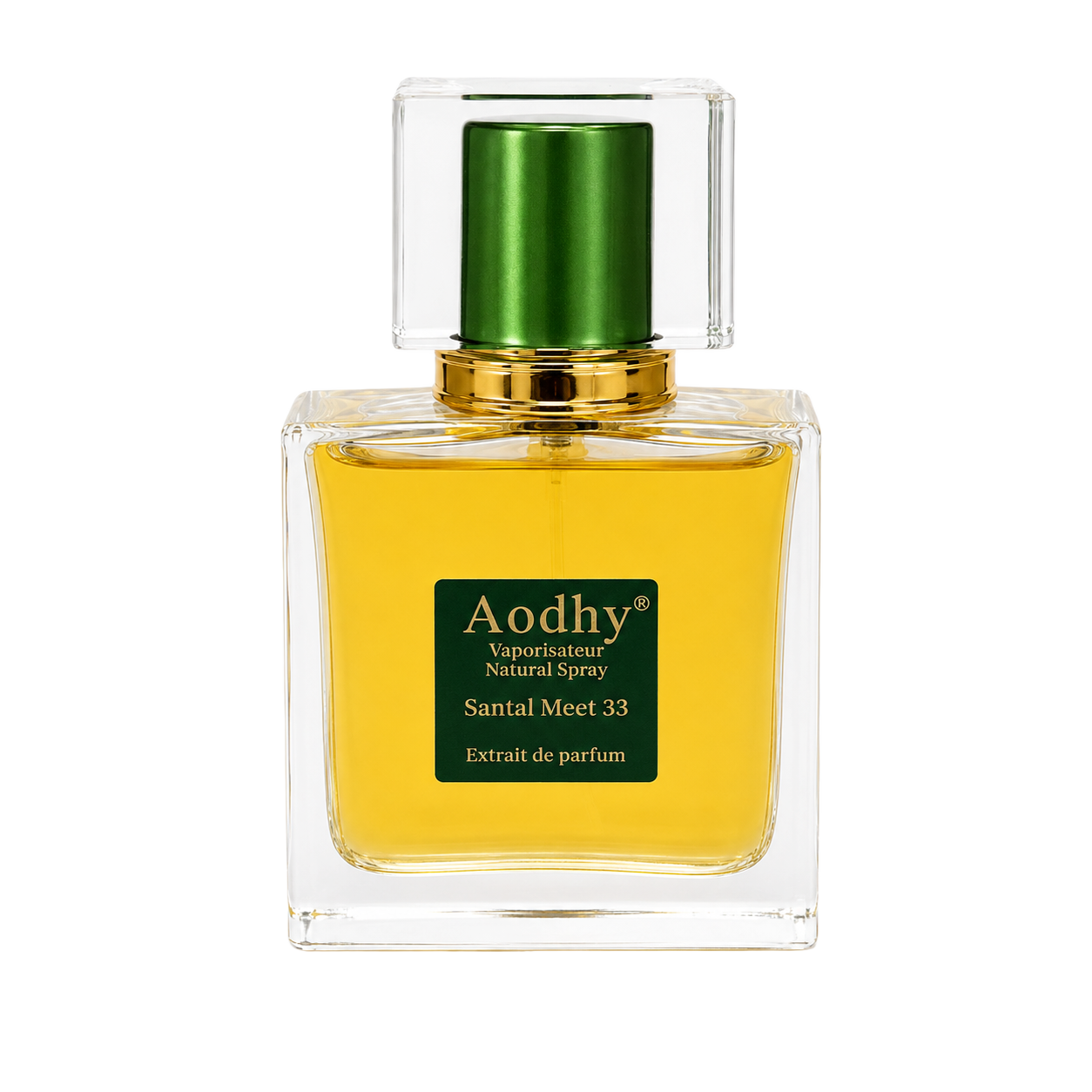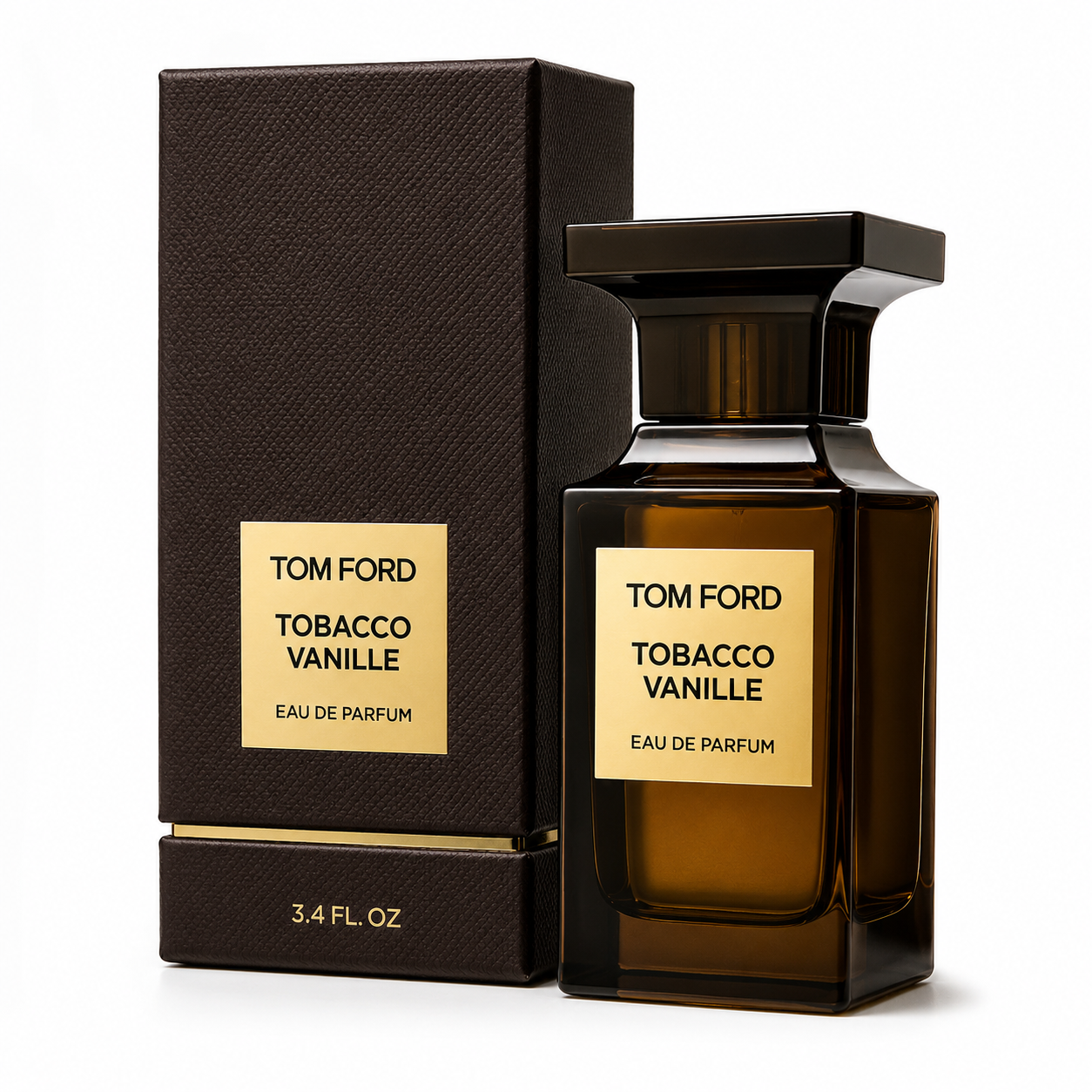
A fragrance family is a map, not a verdict. It helps shoppers move through a large catalog, compare familiar directions and discover nearby styles. Once you understand the main families, note lists become easier to read and online choices become less random.
Floral fragrances can be airy, creamy or bold
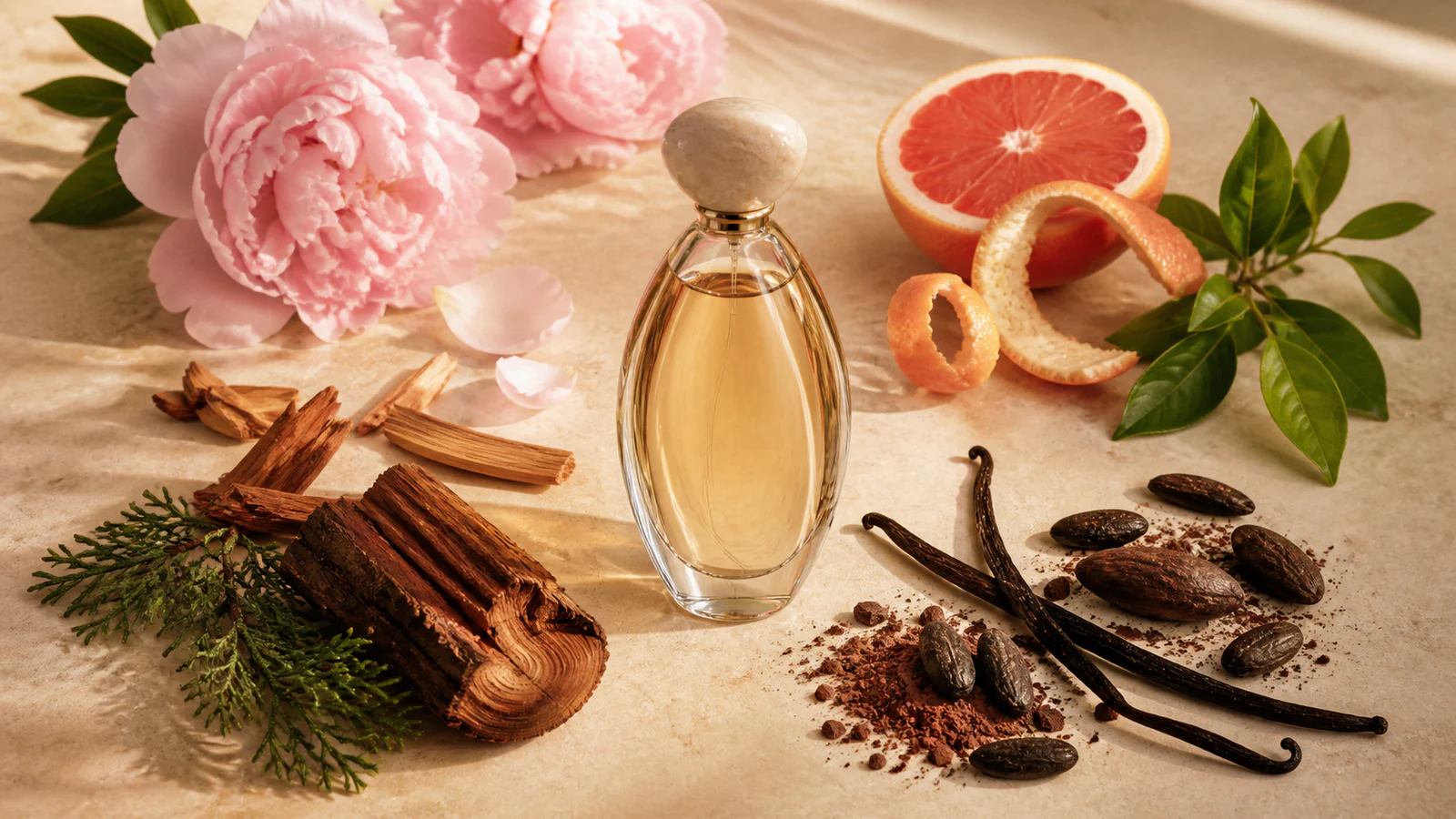
Floral perfumes may focus on one recognizable flower or combine several into a bouquet. Rose can feel fresh, green, jammy or dark. Jasmine can feel luminous, creamy or indolic. Peony and freesia often support a lighter impression, while tuberose and gardenia can feel richer.
Look at the base to understand where the floral heart is going. Musk can make it soft and clean; woods can make it polished; vanilla or amber can make it warmer and sweeter.
- Fresh floral
- Fruity floral
- White floral
- Floral amber
- Floral woody musk
Fresh fragrances include more than citrus
The fresh family can include lemon, bergamot and mandarin, but also green leaves, herbs, tea, marine effects and airy musks. These profiles often feel bright or clean, though they are not automatically weak or short-lived.
A fresh opening may rest on a substantial woody or musky base. Read beyond the first citrus notes if you want to know whether the fragrance remains crisp or becomes warmer during the dry-down.
Woody fragrances range from smooth to smoky
Cedar can feel dry and structured, sandalwood can feel creamy, vetiver can feel earthy or grassy, and oud can feel dark, resinous or smoky depending on the composition.
Woody scents are not only for men. Many women’s and unisex fragrances use woods to frame florals, fruit, musk or amber. Focus on the overall character and audience information supplied for the exact product rather than assigning every material to one gender.
- Dry woods: cedar and vetiver directions
- Creamy woods: sandalwood directions
- Dark woods: oud, smoke and resin directions
- Woody aromatic: herbs, citrus and structured woods
Amber and spicy profiles create warmth
Amber is an impression built from warm, resinous, sweet or musky materials rather than one single ingredient. It often appears with vanilla, labdanum, benzoin, spice, woods or tonka bean.
Warm spicy fragrances may feature cinnamon, cardamom, pepper, clove or saffron effects. Some feel dry and elegant; others lean sweet. Check the floral, woody and gourmand notes around the spice to understand the balance.
Gourmand fragrances borrow edible impressions
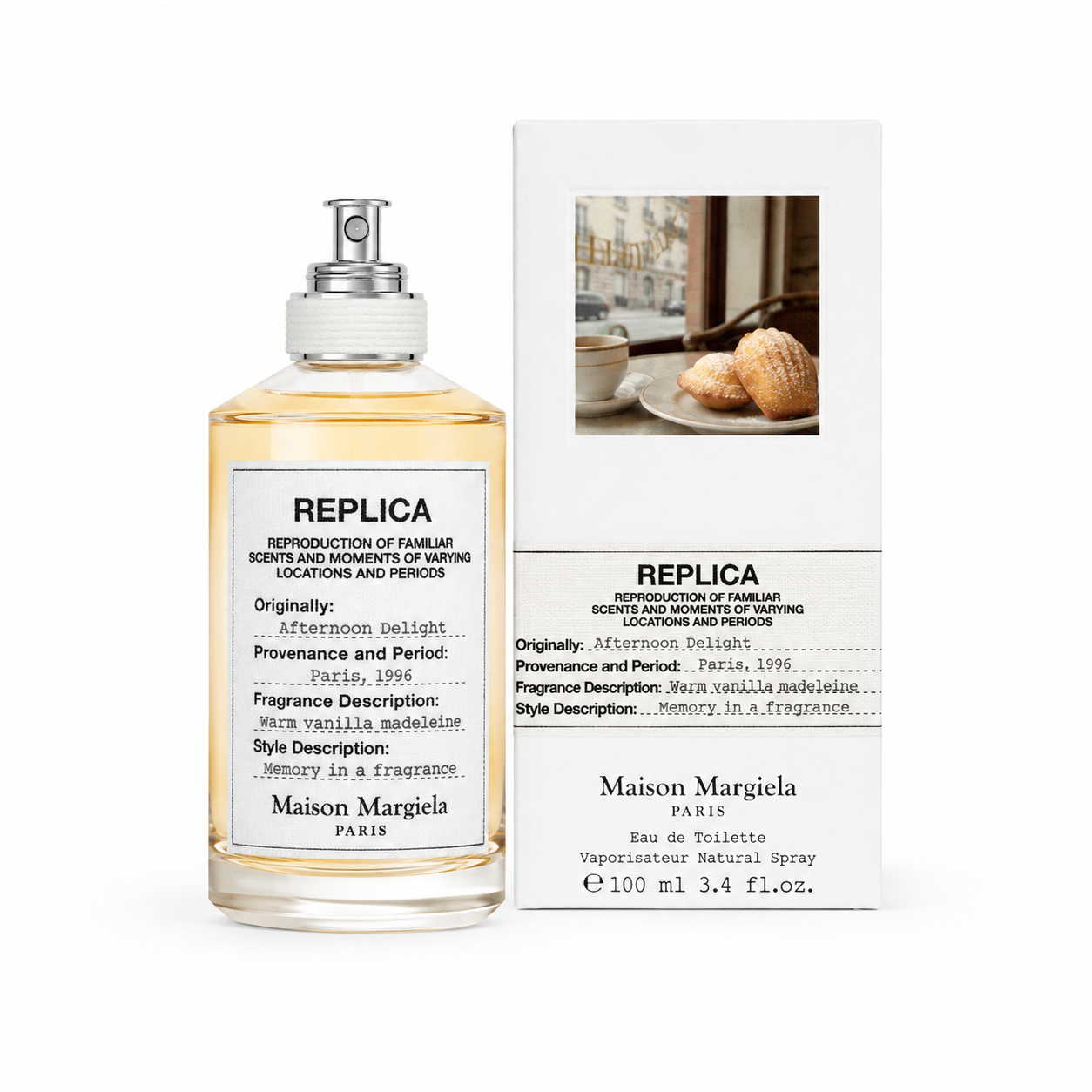
Gourmand perfumes may suggest vanilla, cocoa, coffee, caramel, praline, almond or baked desserts. They are designed to create an edible association, but they remain fragrance products and should be used according to the label.
Not every vanilla fragrance is strongly gourmand. Vanilla paired with dry woods, smoke, leather or aromatics can feel less dessert-like. Read the whole composition before deciding whether the scent will be sweet enough—or too sweet—for your taste.
Use overlap to find your next fragrance
Most modern fragrances sit between families: floral gourmand, woody aromatic, amber floral, fruity floral or floral woody musk. Those combinations are useful search terms because they narrow both mood and structure.
If you already enjoy a fruity floral, try a floral gourmand for more warmth or a fresh floral for more brightness. Moving one step across the family map is often easier than choosing a completely unrelated profile.
- Want brighter: move toward citrus, green or aquatic
- Want softer: move toward musk or gentle florals
- Want warmer: move toward amber, vanilla or spice
- Want drier: move toward cedar, vetiver or aromatic woods