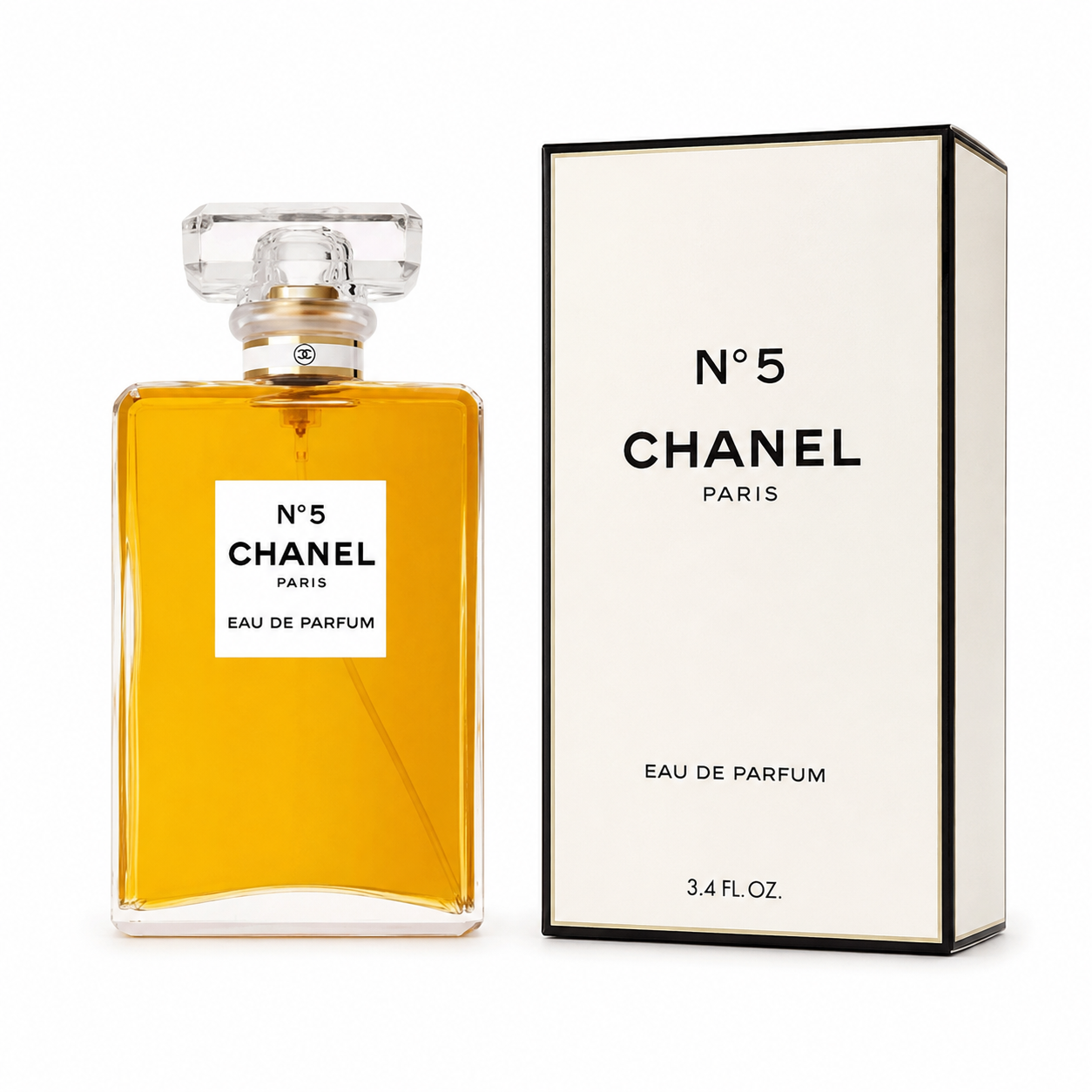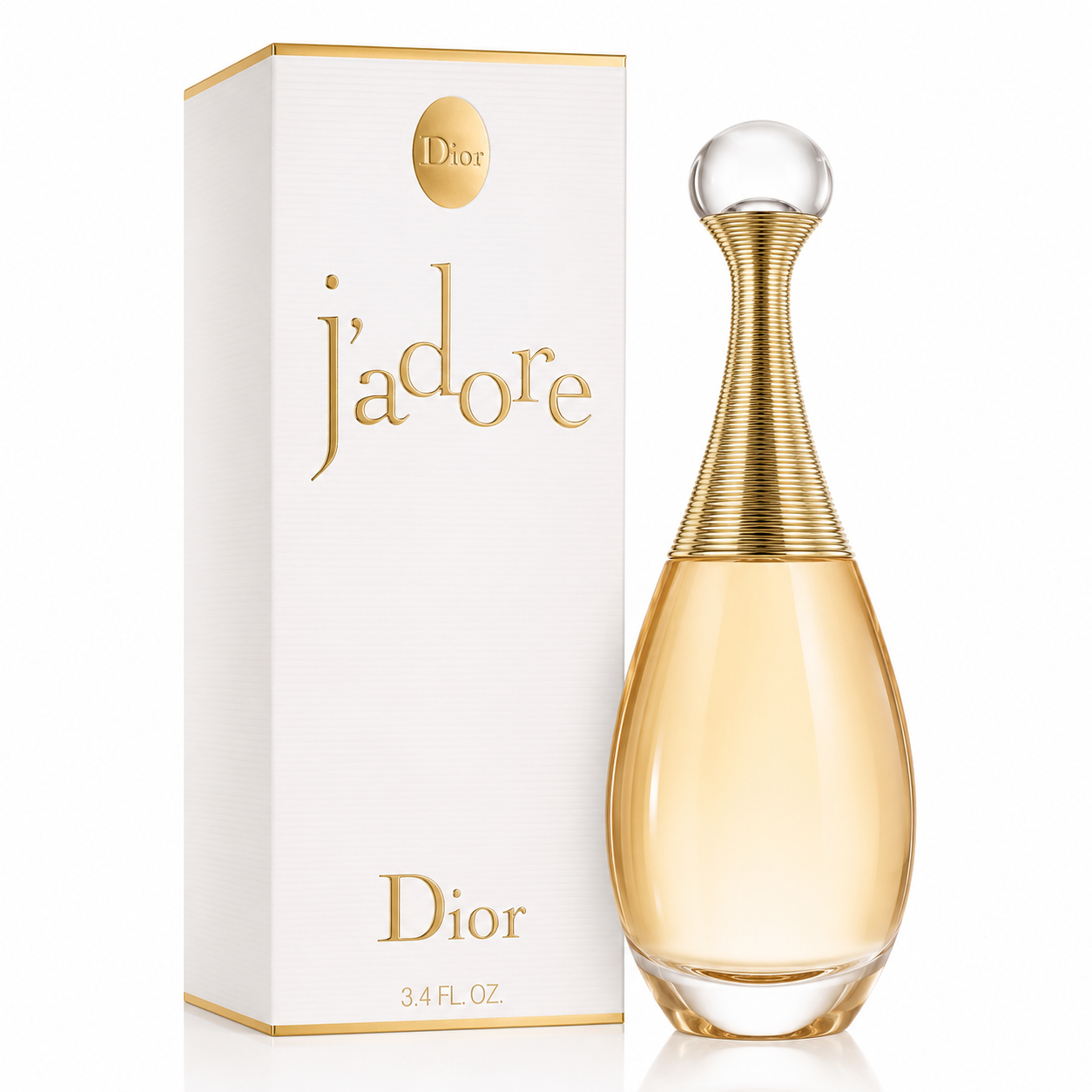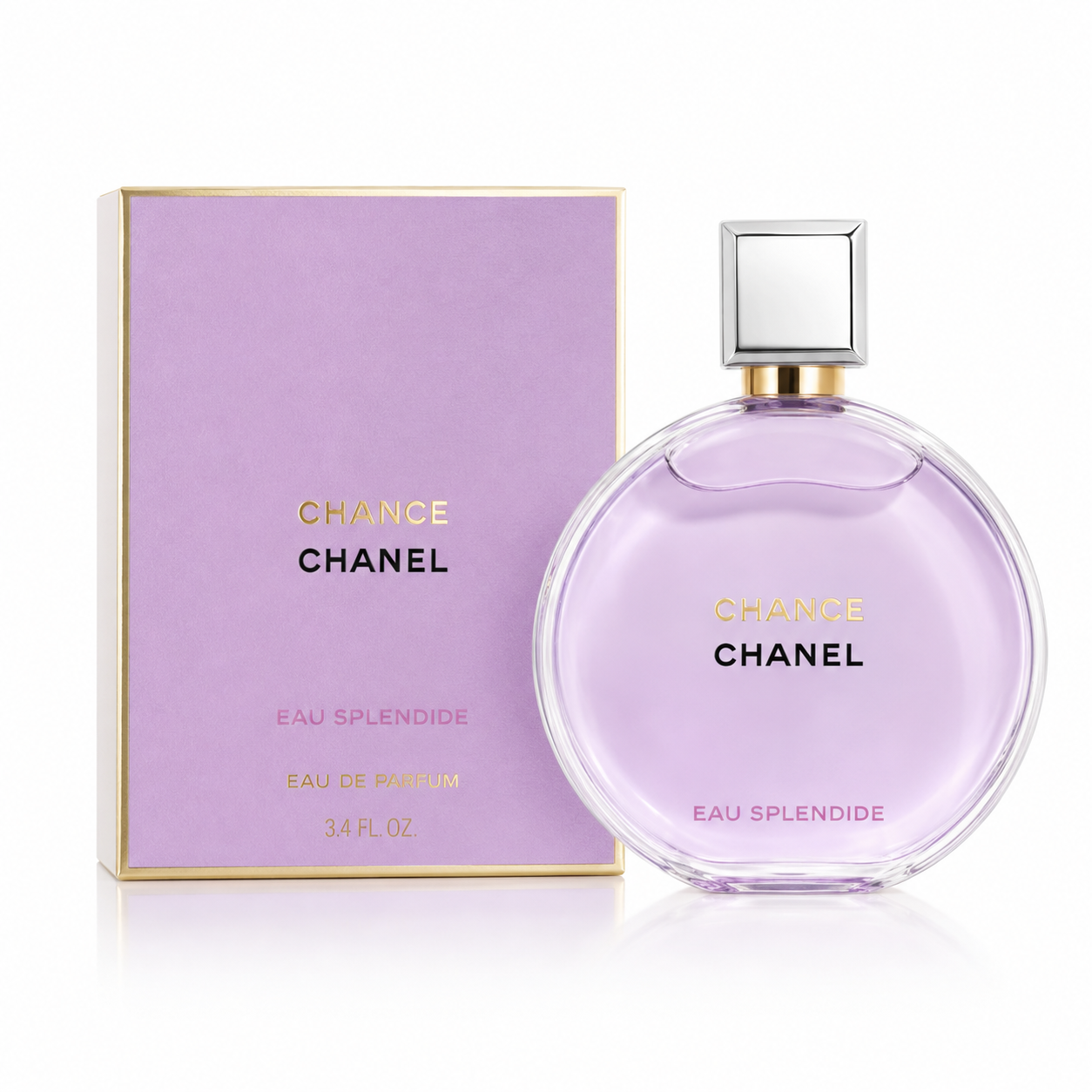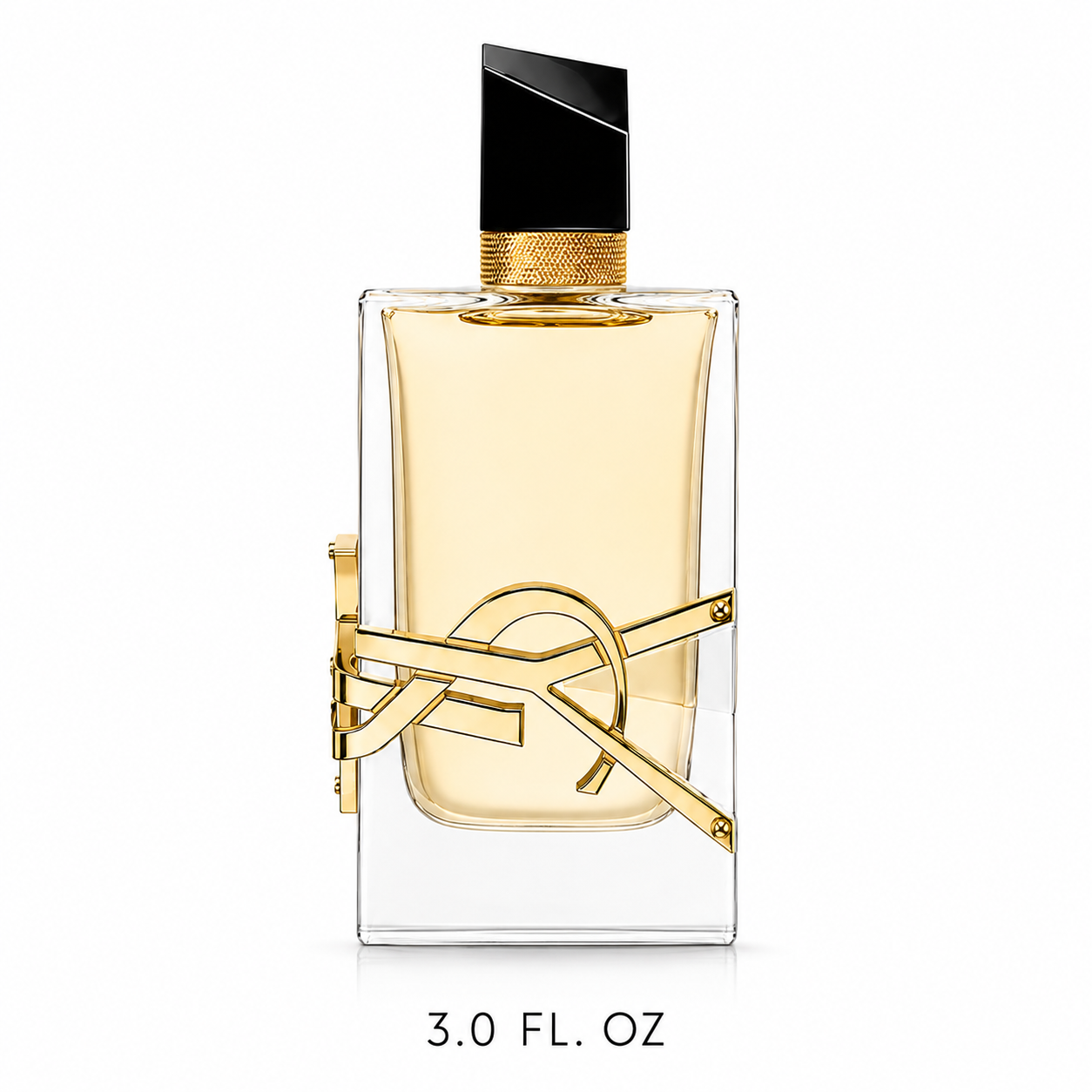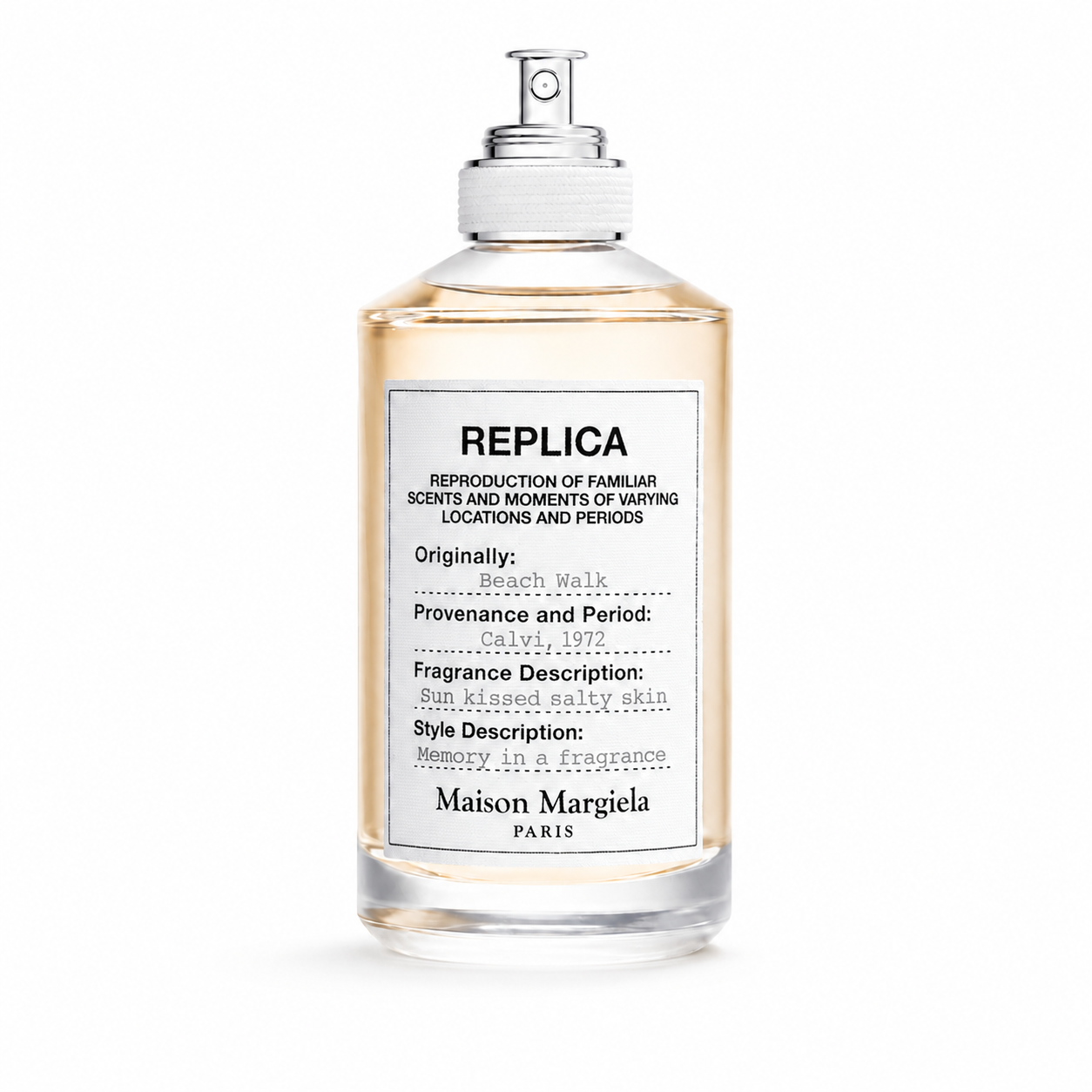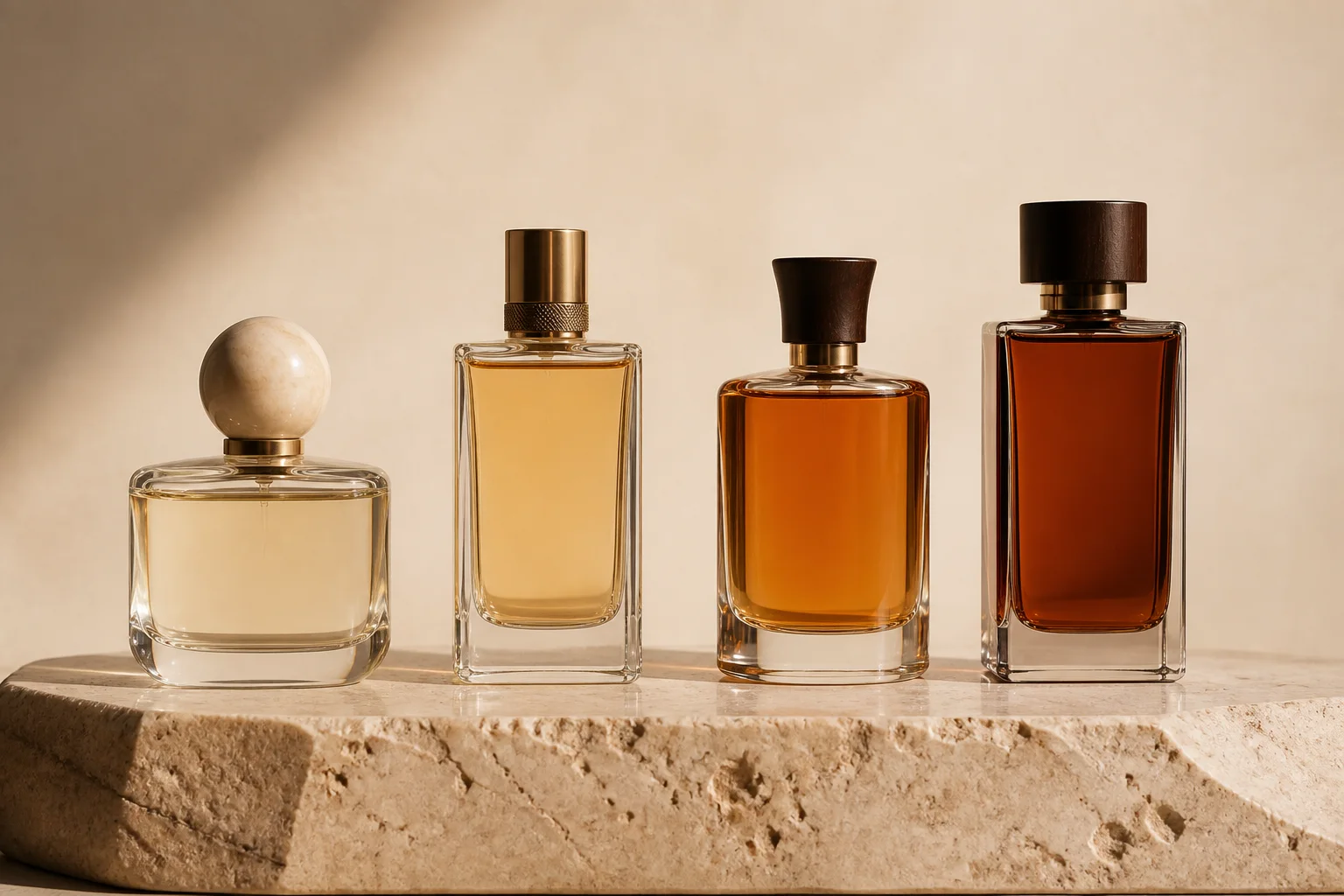
The same fragrance name can appear on several bottles: parfum, eau de parfum, eau de toilette, cologne or an intense variation. Those words help identify the product, but they do not tell the whole story. Formula, note balance, application and personal preference matter just as much as the concentration printed on the box.
The labels are useful—but not universal formulas
The International Fragrance Association explains that terms such as cologne, eau de toilette and eau de parfum are general descriptors. They are common across the fragrance industry, but international standards do not assign one fixed concentration to every label.
Typical concentration ranges overlap, and brands may use the terms differently across regions or product lines. That is why a shopper should rely on the exact product page and manufacturer description rather than a chart that promises one rigid percentage for every bottle.
- Parfum or extrait: generally the richest format
- Eau de parfum: often fuller than an eau de toilette
- Eau de toilette: often lighter or brighter
- Cologne: commonly a fresh, lighter presentation
A different concentration can also be a different composition
It is tempting to think that an eau de parfum is simply the eau de toilette with more fragrance material. Sometimes the family resemblance is close, but brands can adjust the balance of citrus, florals, woods, amber or musk for each interpretation.
CHANEL notes that parfum, eau de parfum and eau de toilette can share an olfactory identity while using formula variations to amplify different effects. One version may feel brighter in the opening, while another may emphasize the heart or dry-down. Compare them as related fragrances, not automatically as identical liquids at different strengths.
Choose by character and setting, not rank
A richer format can suit someone who wants depth or a more enveloping dry-down. A lighter presentation can work well when freshness, flexibility or a less noticeable trail is the goal. Neither is automatically the better purchase.
Think about where you expect to wear the fragrance, how close you will be to other people, the climate and how much variation you want between opening and dry-down. Personal comfort is more useful than the idea that the strongest option always offers the best value.
- Close spaces: begin with a lighter application
- Evening wear: consider a fuller interpretation
- Warm weather: compare freshness and comfort
- Daily use: choose the version you enjoy through every stage
Longevity is not guaranteed by the label
Concentration can influence intensity and wear, but the name on the bottle cannot guarantee a precise number of hours. Formula, skin, clothing, weather, atomizer output and storage all affect the experience.
Do not reject an eau de toilette because an online chart says it must disappear quickly, and do not buy an eau de parfum expecting all-day performance without testing it. Notice how the exact fragrance develops on paper, skin or clothing according to the manufacturer’s directions.
Compare the complete product before ordering
Fragrances with the same name can have different bottle designs, sizes, release years and note structures. Read the full listing title and confirm the concentration shown for the selected option before adding it to the bag.
Also compare price by the actual bottle size rather than the front label alone. A smaller parfum and a larger eau de toilette answer different needs, so cost per ounce is only one part of the decision.
- Full product and brand name
- Parfum, EDP, EDT or cologne label
- Selected bottle size
- Current price and availability
- Note description and intended character
Use a three-stage comparison
Test the opening first, then wait for the heart and dry-down before choosing. If two concentrations share a name, apply one to each blotter and label them so you do not rely on memory.
Revisit both after 30 minutes and again later in the day. The version with the louder opening may not be the one you prefer after several hours. Buy the interpretation whose full development fits your routine.